kunato script

Tuesday, April 15, 2025

A Rich History: Roots of Indian Canine Culture


 India is home to a diverse array of dog breeds that reflect the country’s varied climates, landscapes, and cultural traditions. From agile hounds built for speed to resilient pariah dogs that have thrived on the streets for centuries, these breeds are more than just pets—they are living legacies of India's rich heritage. In this post, we take a deep dive into four prominent dimensions of India’s canine culture: their origins, distinctive traits, roles in daily life, and their evolving status in modern India.

Indian dog breeds have evolved over thousands of years, shaped by the unique challenges of the subcontinent.

  • Ancient Companions:
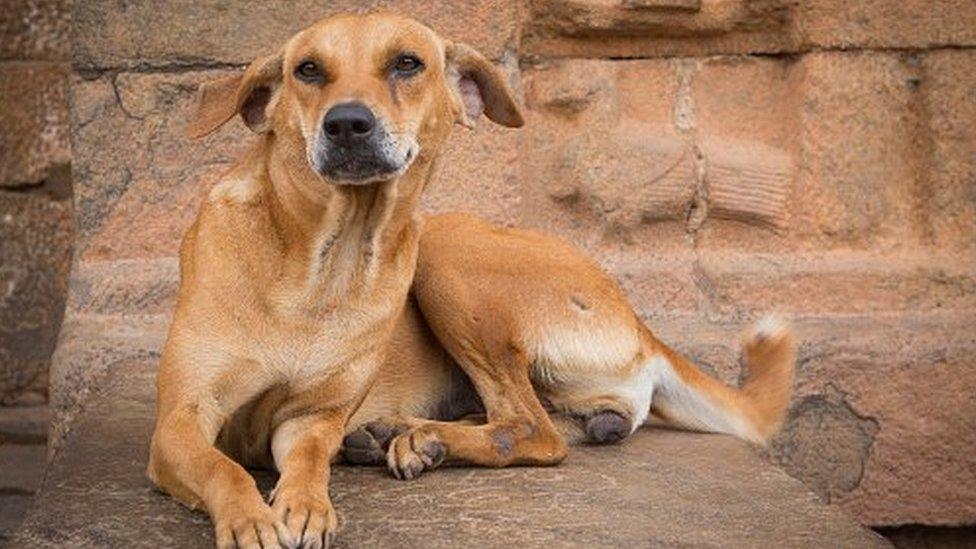
    Indigenous dogs like the Indian Pariah Dog have been roaming the streets since ancient times. Their natural ability to adapt to various environments and protect themselves made them reliable companions for local communities.

  • Working and Guardians:
    Breeds such as the Rajapalayam and Kombai were historically bred to guard estates, hunt wild game, and even assist farmers in protecting livestock. Their story is interwoven with local folklore and legends.

  • Cultural Symbols:
    Many local communities hold these breeds in high regard, not only for their functionality but also for their loyalty and bravery. This historical bond continues to shape how they are perceived today.

Distinctive Traits and Temperaments


 Each Indian breed has evolved traits suited to its region and purpose. Here are a few notable examples:

  • Indian Pariah Dog:
    Renowned for its intelligence, alertness, and adaptability, this breed is often praised for its low-maintenance nature. With a lean body, strong instincts, and a keen sense of self-preservation, it has thrived in urban and rural settings alike.

  • Rajapalayam:
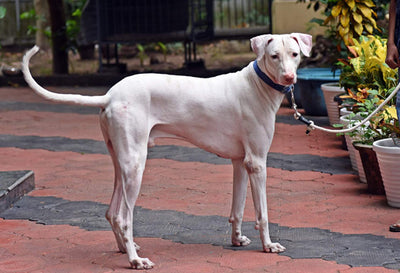
    Originating from southern India, this breed is known for its regal stature and loyalty. Rajapalayams have a sleek, muscular build, typically with a distinctive white coat. They have been historically used as guard dogs and are celebrated for their courage and protective nature.

  • Kombai (Indian Mastiff):
    With their powerful frame and alert expression, Kombais are traditional guard dogs. They are known for their calm demeanor yet fierce loyalty. Their imposing presence and intelligence have made them a respected breed among local communities.

  • Mudhol Hound:
    Hailing from Maharashtra, the Mudhol Hound is a swift and agile hunting dog. Their lean, athletic bodies and sharp senses make them excellent trackers. They’re valued for their endurance and ability to navigate tough terrain with ease.

Roles in Society: From Streets to Homes


Historically, Indian dogs have served multifaceted roles:

  • Street Smart Survivors:
    For generations, native dogs like the Pariah have roamed the streets, relying on their instincts to survive. Their presence is not a sign of neglect but rather of resilience and adaptability. Efforts by NGOs and animal lovers have increasingly recognized their value and worked toward their preservation.

  • Guardians and Companions:
    Breeds such as the Rajapalayam and Kombai have long been employed as guardians of homes, temples, and farmlands. Their protective instincts, combined with deep loyalty, have made them reliable companions.

  • Modern Day Pets:
    Today, many families in India are rediscovering the charm of native dog breeds. With rising awareness about responsible pet ownership, these breeds are slowly transitioning from street survivors to cherished household pets. They offer a connection to the past and a unique character that sets them apart from imported breeds.


The Evolving Canine Landscape in Modern India


As India urbanizes, so does its relationship with dogs.

  • Conservation and Adoption Initiatives:
    Many animal welfare organizations and government bodies are working to improve the lives of stray and native dogs through adoption programs, vaccination drives, and spay-neuter initiatives. These programs help maintain the genetic diversity and health of India’s dog population.

  • Changing Perceptions:
    There's a growing trend among urban families to choose indigenous breeds for their resilience, health, and loyalty. Awareness campaigns and social media have played a crucial role in celebrating these breeds, highlighting their unique features and historical significance.

  • Integration with Modern Life:
    The modern Indian pet owner is increasingly seeking dogs that blend traditional traits with contemporary lifestyles. This has led to a rise in boutique pet services, specialized veterinary care, and curated pet diets—all tailored to ensuring native breeds remain robust and well-cared for.


A Rich History: Roots of Indian Canine Culture

 India is home to a diverse array of dog breeds that reflect the country’s varied climates, landscapes, and cultural traditions. From agile ...